Humans can suffer from asthma, while horses can also develop a respiratory condition that often worries racing fans—roaring.
Roaring, also known as laryngeal hemiplegia, occurs when the horse’s larynx does not function normally, preventing the airway from opening fully. Affected horses may produce a noticeable abnormal breathing noise when racing at high speed. In more serious cases, the reduced airflow into the lungs can affect performance.
This is why racing fans occasionally see horses reported as having made an abnormal respiratory noise during a race or subsequently diagnosed as a “roarer” in the Hong Kong Jockey Club’s racing incident and veterinary reports.
However, being diagnosed as a roarer does not necessarily mean that a horse’s racing career is over. Some horses undergo throat surgery to correct the airway abnormality, commonly described by the Hong Kong Jockey Club as “tieback and hobday” surgery.
Following surgery, the horse must be given time to recover and return to training. It may also be required to complete a barrier trial and pass an official veterinary examination before being allowed to race again. Even after returning, there remains a possibility that respiratory problems may recur. Trainers must therefore pay closer attention to training intensity, racing frequency and the horse’s general condition.
According to the Hong Kong Jockey Club’s Roarers Database as at 7 July 2026, there were 29 current entries, including 19 horses that had undergone surgery and ten that had not.
During the 2025/26 racing season, SAGACIOUS LIFE, JUST FOLLOW ME, TOP THRONE, VIEW ALL THINGS, KING OF FIGHTERS, VIVA TASTE, YOUNG STRIKER, CHILL MASTER, NOBLE DELUXE, VIVA FIRECRACKER, SCARLET REIGN, EVERSTAR and ONE MAN SHOW were among the horses diagnosed as roarers.
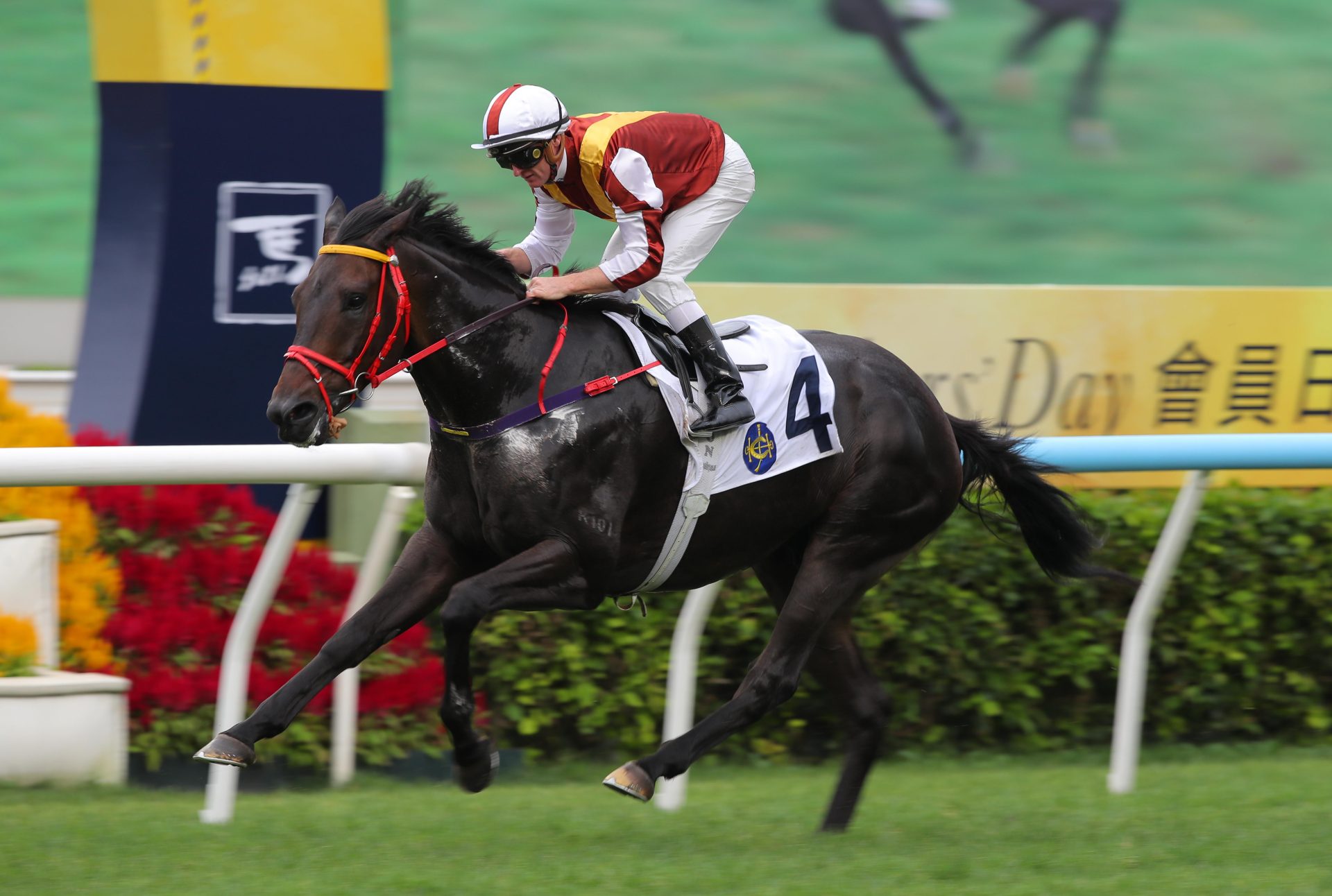
One of the most representative examples of the season was VIEW ALL THINGS from the W K Mo stable.
VIEW ALL THINGS was diagnosed as a roarer on 16 October 2025. It underwent throat surgery to correct an airway abnormality—tieback and hobday surgery—on 11 November. After more than two months of recovery and retraining, the horse passed its official veterinary examination on 26 January 2026 and was cleared to race again.
Its results were not particularly impressive immediately after returning, but the stable did not rush the horse and allowed it to regain its racing condition gradually.
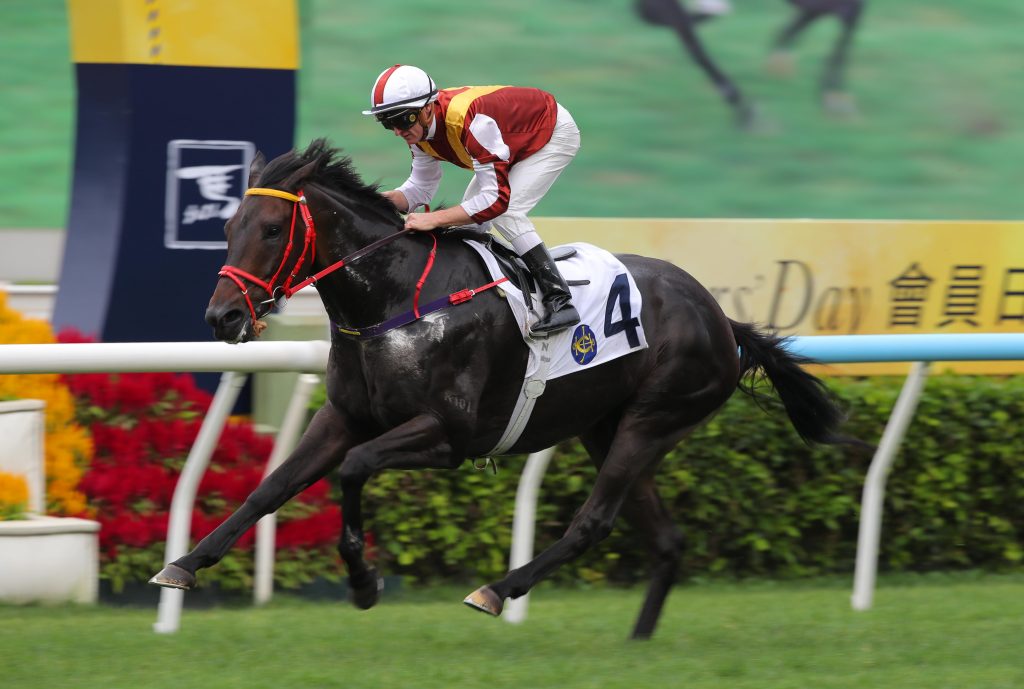
The patience eventually paid off on 3 May. Ridden by Zac Purton in a Class 5 race over 1,400 metres at Sha Tin, VIEW ALL THINGS settled towards the rear before improving through the field. It finished strongly to defeat WINNING MACHINE by two lengths and record its first Hong Kong victory.
From diagnosis and surgery to returning to the winner’s enclosure around six months later, VIEW ALL THINGS demonstrated that a horse diagnosed as a roarer can still perform successfully when given suitable treatment and sufficient recovery time.
GOLDENTRONICMIGHTY is another example.
The horse was diagnosed as a roarer on 13 July 2025 and underwent tieback and hobday surgery two days later. It subsequently returned to racing and remained competitive in Class 3 company during the 2025/26 season.
On 4 January 2026, GOLDENTRONICMIGHTY finished second in a Class 3 race over 1,200 metres at Sha Tin. Its performance showed that horses returning from throat surgery are not necessarily restricted to competing in the lower grades.
Of course, every horse is different. The severity of the condition, recovery time and effectiveness of surgery can vary considerably. Some horses recover quickly and regain their previous racing ability, while others may continue to produce abnormal respiratory noises or require further treatment.
Trainers must monitor how a horse breathes after exercise and may need to reduce its racing frequency, extend its recovery period or adjust its preferred distance to avoid placing excessive demands on its respiratory system.
Therefore, racing fans should not immediately write off a horse simply because it appears in the Roarers Database.
Roaring can certainly affect a horse’s performance, but it is not always an impossible obstacle to overcome. From past examples of roarers returning to win races to the success of VIEW ALL THINGS following surgery during the 2025/26 season, the evidence shows that patient stable management, veterinary treatment and suitable race planning can allow a horse that once struggled to breathe freely to compete successfully again.