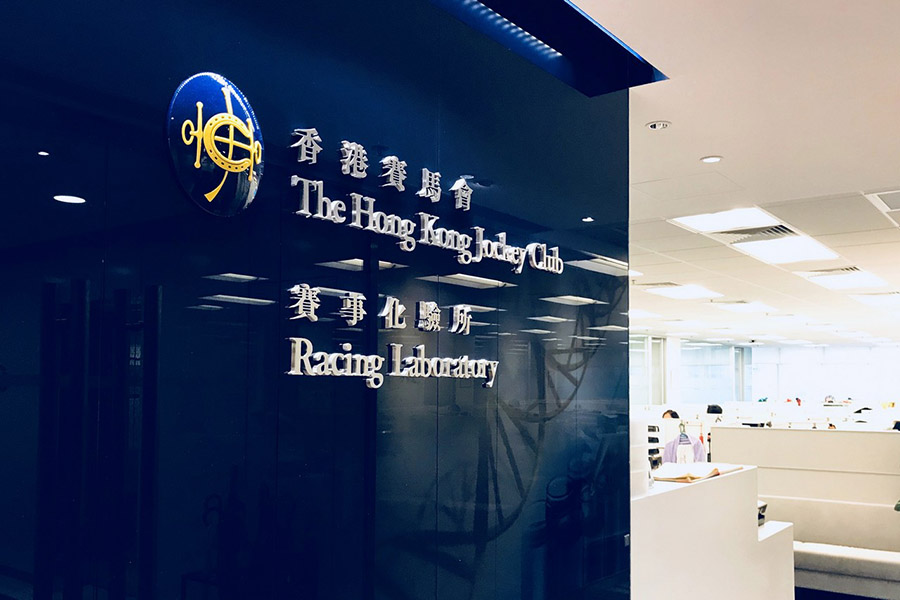
Behind every race, alongside the efforts of horses, jockeys and trainers, a professional laboratory team works quietly to protect the integrity of the sport. Located at Sha Tin Racecourse, the Hong Kong Jockey Club’s Racing Laboratory is equipped with advanced drug-testing facilities and is responsible for analysing samples taken from racehorses to prevent prohibited substances from influencing race results.
Hong Kong’s testing system is highly rigorous. On the morning of each race meeting, urine samples are collected from all declared runners. If a urine sample cannot be obtained, a blood sample is taken instead. Further samples may also be collected after races for laboratory analysis, helping to detect any breach of medication rules, safeguard horse welfare and maintain a fair racing environment.
From a racing fan’s perspective, the laboratory is also an essential part of the sport. Betting analysis can only be meaningful when it is built on a fair and trustworthy competition. Strict drug testing reduces the risk of prohibited substances affecting the outcome of a race and gives fans confidence that every horse is competing under the same rules. Race results should therefore be determined primarily by a horse’s ability and condition, the jockey’s performance and the way the race unfolds.
The Racing Laboratory has been accredited under the Hong Kong Laboratory Accreditation Scheme since 1992 and operates in accordance with the relevant requirements of ISOIEC 17025. In addition to handling samples from Hong Kong and overseas, its team conducts research into drug metabolism and develops new testing methods to strengthen its detection capabilities.
From pre-race screening and post-race testing to scientific research and international cooperation, the Racing Laboratory forms a vital line of defence for the credibility of Hong Kong racing. It protects horse welfare while ensuring that every race is conducted under a fair and reliable system.
Source: Hong Kong Jockey Club